A Framework for European Strategy.
Our work is organized around five interconnected focus areas.
These areas are not treated as separate policy silos, but as mutually reinforcing domains of inquiry.
Each addresses a distinct aspect of Europe’s capacity to act, yet none can be understood in isolation from the others.
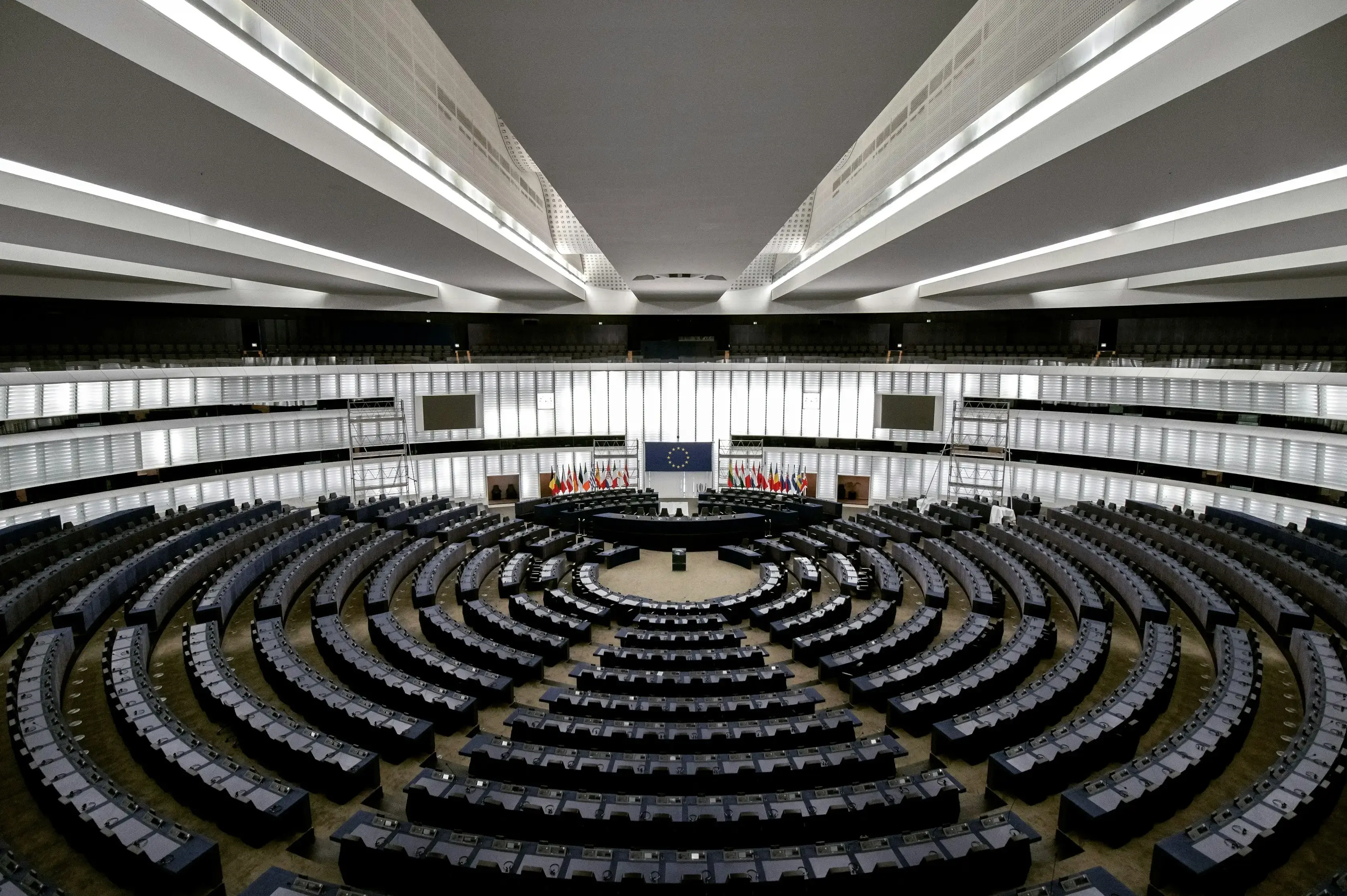
The clusters form an operating concept for understanding how Europe can convert potential into effective power.
The purpose of this framework is twofold. First, it allows ESILUX to cover the full spectrum of strategic challenges facing Europe while maintaining analytical coherence. Second, it provides a common language through which scholars, policymakers, and practitioners from different sectors can engage in structured dialogue.
Across all five areas, ESILUX approaches strategy as a holistic endeavour: linking security with economic resilience, technological capacity with institutional reform, and external influence with internal cohesion.

Exploring Europe’s capacity for deterrence and collective action amid renewed great-power rivalry.
The return of hard security has exposed the gap between Europe’s strategic ambitions and its material capabilities, as well as its continued dependence on external actors for critical functions.
ESILUX treats security not only as a military question, but as a political and institutional one. It explores how defence integration, procurement structures, industrial capacity, intelligence cooperation, cyber resilience, and strategic communication interact to shape Europe’s ability to act credibly under pressure.
A central concern is how Europe can build a deterrence posture that strengthens alliances while reducing existential dependence on them.
From a Luxembourg perspective, this also includes the role of small states in collective defence: how niche capabilities, technological specialization, and political reliability can translate limited resources into strategic relevance.
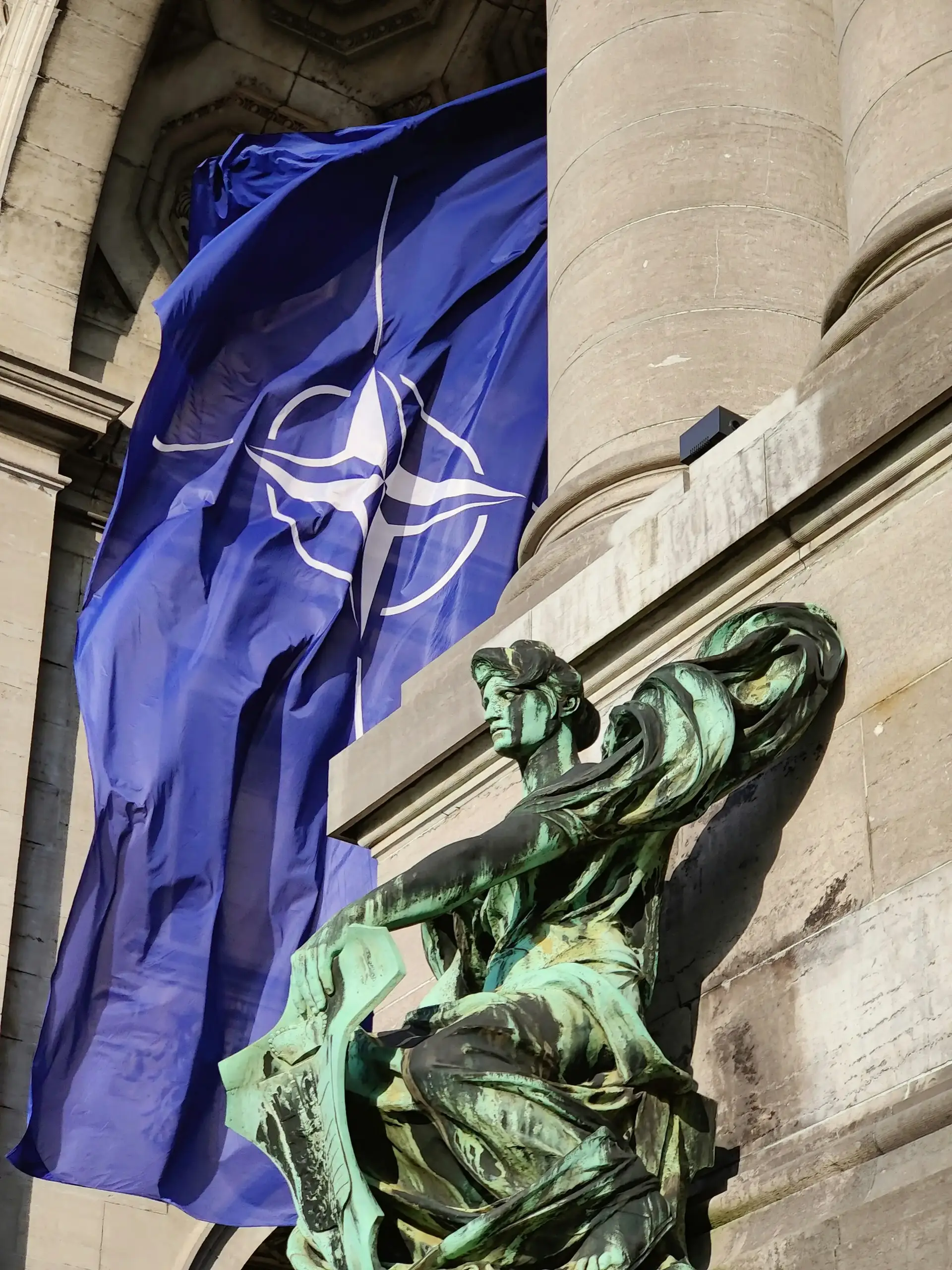

Examining how Europe’s economic and financial instruments function as sources of strategic power.
While the EU commands immense market scale, it has historically treated economic governance as a regulatory domain rather than a geopolitical one.
ESILUX approaches economic policy as a core component of strategy. It explores how capital markets, financial infrastructures, trade policy, sanctions, investment screening, and supply chains shape Europe’s freedom to act in an increasingly weaponized global economy.
Luxembourg’s position as a major financial and regulatory hub provides a natural platform for this inquiry.
The focus area links financial credibility to strategic capability, asking how Europe can translate economic weight into political leverage, and how economic interdependence can be managed without turning prosperity into vulnerability.

Addressing one of Europe’s most critical strategic weaknesses: its growing dependence on external actors for key technologies.
Regulatory leadership has not translated into technological leadership, leaving Europe exposed in areas central to security, competitiveness, and sovereignty.
ESILUX treats technological sovereignty not as protectionism, but as a strategic imperative. It examines how Europe can secure control over dual-use technologies, digital infrastructure, data governance, space systems, artificial intelligence, and critical research capacities.
From a Luxembourg vantage point, this includes the strategic relevance of niche technological ecosystems in space, high-performance computing, cybersecurity, and data services.The focus area connects innovation policy to long-term strategic autonomy, emphasizing that Europe’s ability to defend its values increasingly depends on its capacity to design, produce, and govern the technologies that underpin modern power.


Analyzing the political and administrative frameworks that enable European strategy.
Europe possesses formidable instruments of action, yet often lacks the institutional coherence required to deploy them effectively. ESILUX explores how decision-making rules, governance structures, political culture, and institutional design shape Europe’s strategic capacity.
This includes debates on unanimity versus majority voting, coordination between national and EU levels, foresight mechanisms, crisis learning, and the integration of sectoral policies into a shared strategic posture.
A central concern is the development of a European strategic culture: a habit of long-term thinking embedded in institutions rather than confined to documents.
From a Luxembourg perspective, this also involves reflecting on how small states navigate and influence complex multilevel governance systems, and how administrative efficiency and consensus-building can become strategic assets.
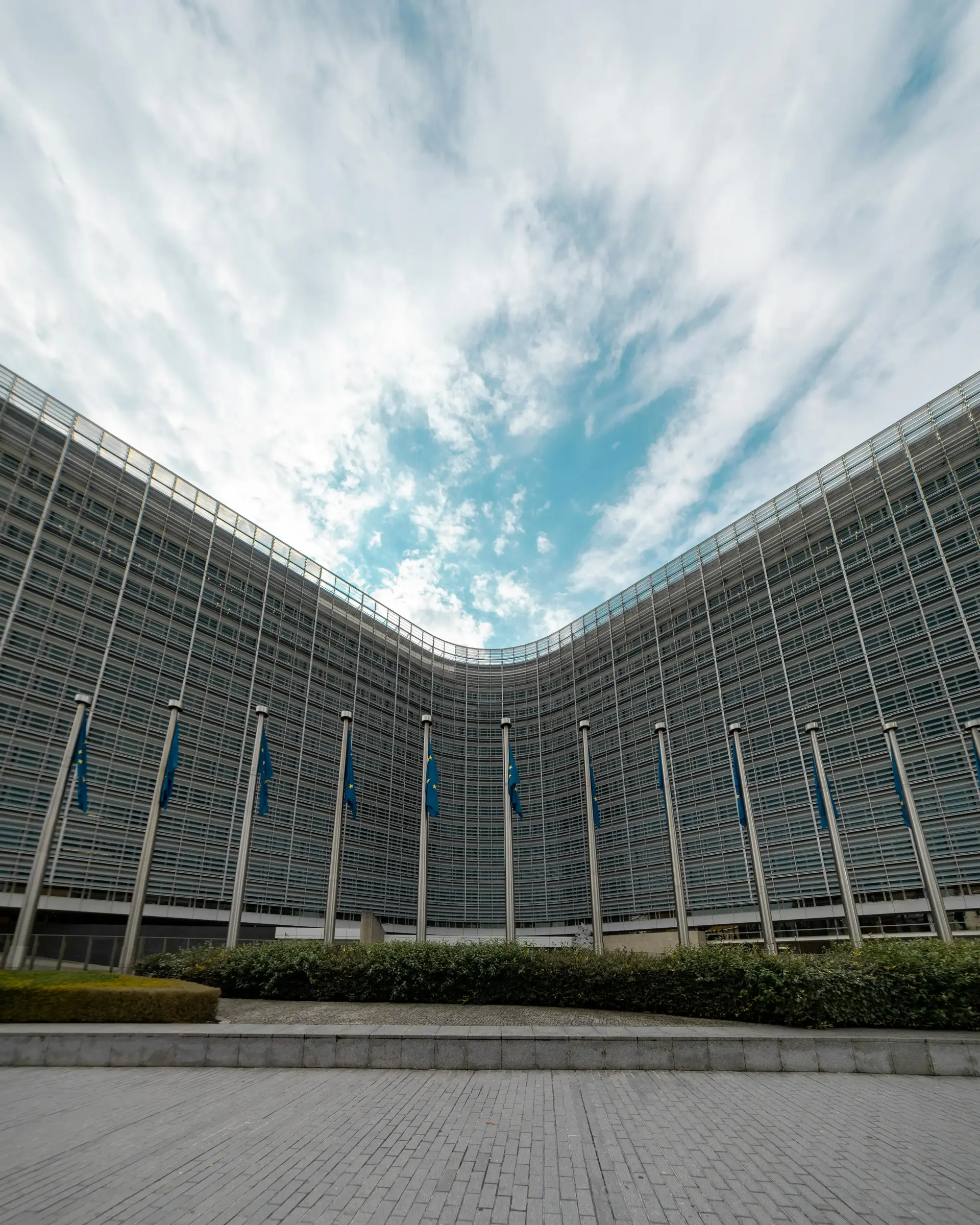

Exploring Europe’s strategic environment beyond its formal borders.
The stability of Europe’s periphery – in the Western Balkans, Eastern Partnership, and Southern neighbourhood – increasingly determines the Union’s internal security, credibility, and geopolitical relevance.
ESILUX approaches enlargement not as a technical accession process, but as a form of statecraft. It explores how integration, conditionality, external assistance, and diplomatic engagement can be aligned with long-term strategic goals.
This includes analysing the geopolitical consequences of stalled enlargement, the role of external powers in Europe’s neighbourhood, and the institutional implications of a larger and more diverse Union.
From a Luxembourg standpoint, the focus area also highlights the role of small states as mediators and facilitators in enlargement debates, drawing on traditions of diplomatic trust and coalition-building.

FROM FRAMEWORK TO PURPOSE
Taken together, the five focus areas provide a coherent analytical map of Europe’s strategic condition. Security underpins credibility, economic statecraft funds autonomy, technological capacity sustains sovereignty, institutions enable action, and enlargement extends stability.
ESILUX uses this framework not to impose rigid boundaries, but to structure dialogue across domains that are often treated separately.
In this sense, the focus areas are not programs, but lenses: ways of seeing Europe’s strategic future as a shared problem of power, purpose, and collective agency.